

I’ll be honest, when I first sat down to watch a horse race, I had absolutely no idea what I was looking at. The commentator was rattling off names and numbers, the screen was filled with abbreviations, and everyone around me seemed to know exactly what was happening.
It took me an embarrassingly long time to realise that most of that information was sitting right in front of me, in the racecard.
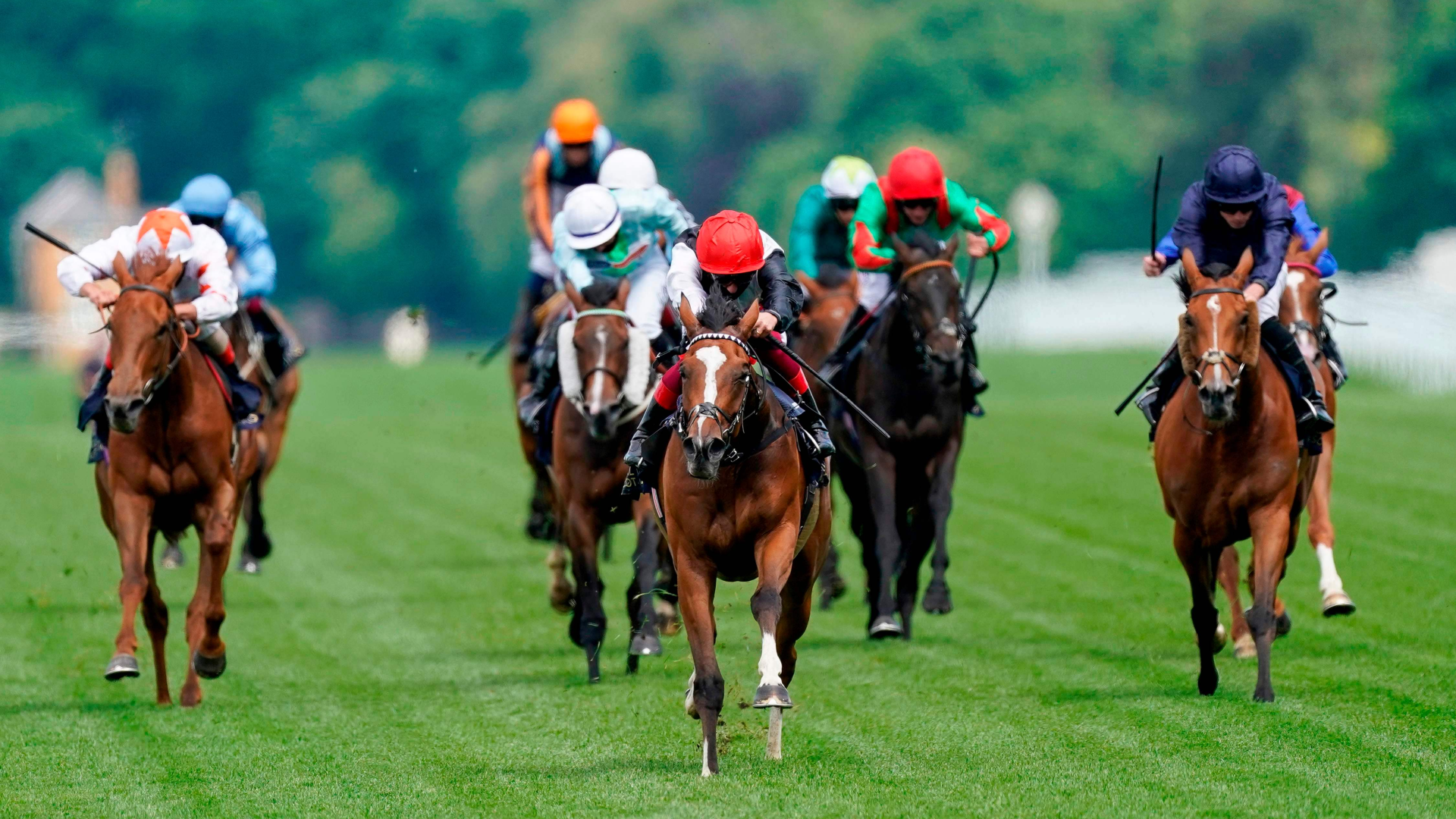
Before you even think about placing a bet, it is worth knowing what you are actually looking at (which I clearly did not).
Most punters who back a horse without doing any homework are essentially guessing, and the information you need to make a smarter decision is all sitting in one place.
Getting into the habit of checking today’s racecards before a meeting gives you the form, the going, the weights and the odds all in one view, which is exactly where any informed bet should start.
So What Actually Is a Racecard?
Think of a racecard as the programme for the day, although that probably undersells it a bit. It tells you which horses are running, who’s riding them, which trainer they come from, and then adds a layer of numbers that start to make more sense the longer you look at them.
In British and Irish racing, people take racecards seriously. You’ll see regulars going through them well before the first race, almost as part of the routine. For someone learning English, they end up being something slightly different.
Not just information, but a kind of repeatable reading accuracy exercise, with the same specialist terms coming up again and again in a setting that actually means something.
The Terms Worth Knowing
You do not need to memorise everything at once. Start with these and the rest will follow naturally.
Going describes the condition of the ground. You will see words like firm, good, soft, and heavy. It matters more than you might think because some horses genuinely hate racing on soft ground and will underperform no matter how talented they are.
Handicap is a type of race designed to even things out. Stronger horses carry more weight so that, in theory at least, every runner has a shot. In practice it makes for unpredictable, exciting racing.
Furlong is the unit of distance. One furlong is roughly 200 metres. Sprint races tend to run over five or six furlongs while the longer, stamina-testing contests can stretch beyond two miles.
Form is the string of numbers and letters next to a horse’s name showing how it has performed recently. A 1 means it won. An F means it fell. A string of low numbers is a good sign. A row of zeros is less encouraging.
The odds will give you the probability of the horse winning according to the bookmakers, and the amount you can expect back from backing that particular horse. The favourite comes with the lowest odds and is the horse worth considering, although horse racing has a fantastic way of being unpredictable.
There is no hiding place for thejockeys or trainers, which you can easily find at the beginning of every racecard. After some time, certain jockeys and trainers tend to repeat themselves.
This is typically where everything starts making sense. You are not just looking at words but at repeated patterns.
Studying jockeys and trainers and betting on their form over several races is among the easiest ways of learning more about horse racing and remembering terms effortlessly.
When we talk about a non-runner, we mean an entry that was supposed to race but for whatever reason will not participate, mostly due to injury or unfitting conditions.
This may appear like a tiny detail, yet it makes a difference. It happens to be surprisingly simple to choose a particular horse and only after that to realize that this horse will not run in this race.
Using Racecards as a Language Learning Tool
Here is something I wish someone had told me earlier. The most effective way to absorb specialist vocabulary is not to study it in isolation but to meet it somewhere it belongs.
Horse racing gives you that. The language is precise, it is consistent, and it shows up in the same places every single time.
Pick a real meeting, open the race cards, and read through them with this guide nearby. Look up the going. Check the form figures.
See if you can identify the favourite before anyone tells you. You are not just learning what these words mean in theory, you are using them the way a native speaker would, in context, under the same conditions.
That kind of active, immersive reading accuracy is genuinely how fluency is built. Not through drills, but through content that has something real at stake.
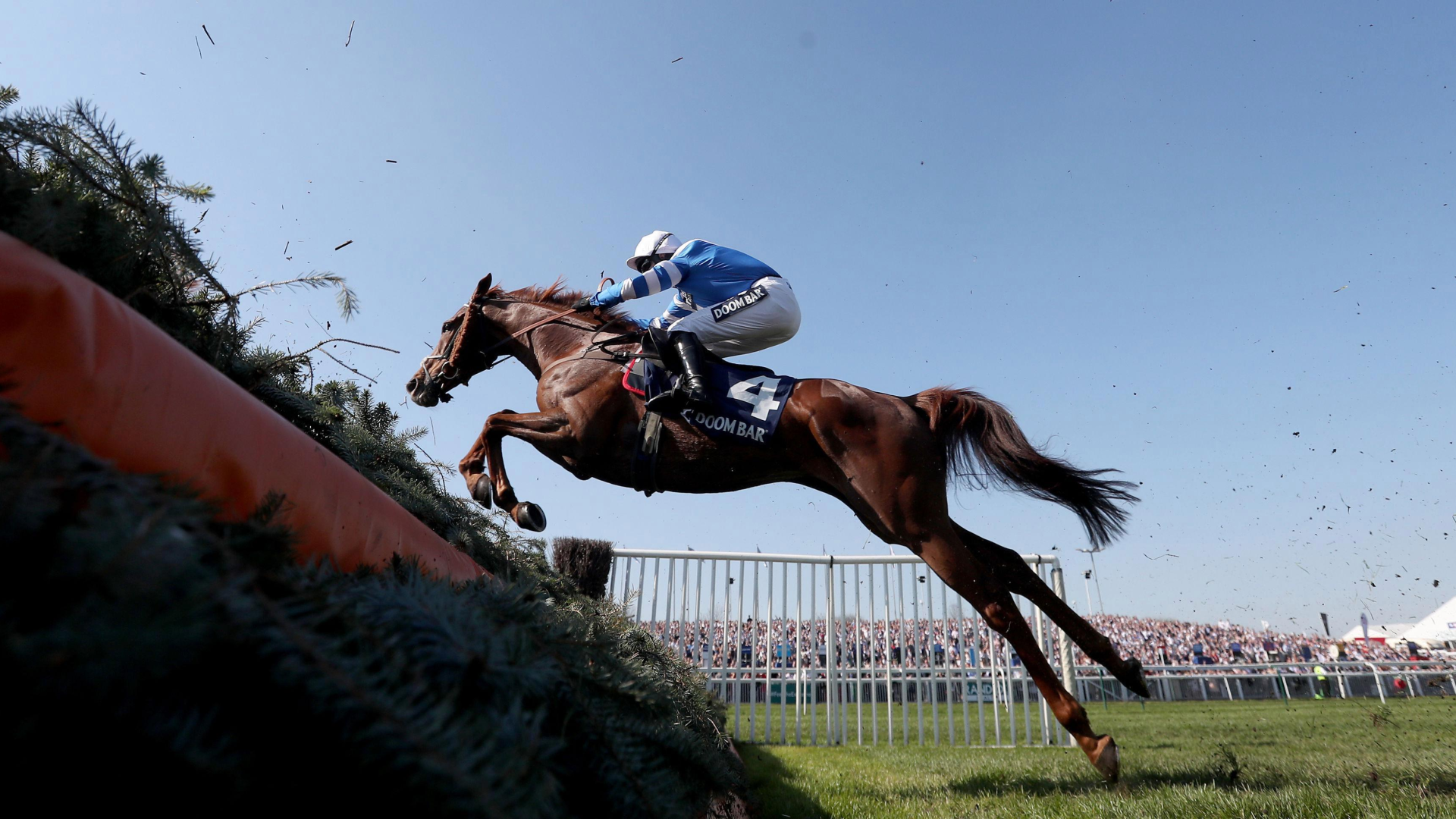
A Small but Interesting Regional Note
One thing that caught me off guard early on was how much the terminology shifts depending on which country’s racing you are following.
American horse racing still uses furlongs but the betting language is quite different to the British system. When studying English in relation to a certain region, concentrating on the origins of your race cards can turn out to be a rather interesting approach to picking up the distinctions.
Final Thoughts
Race cards may seem completely incomprehensible when first seen, but after some time, they begin to make sense somehow.
Not all of a sudden, but in a manner that makes one feel that the matter isn’t really that complex. The language may indeed be quite precise, but there is also some repetition going on there that can help with the task.
If you take one race meeting and work through the card from start to finish, you’ll probably notice that shift happening.
However, when we come to the last race, it is clear to us more than at the beginning of our learning process.
This may not seem important, yet such is language acquisition usually. It is not an epiphany; it is just a feeling that everything becomes a bit easier for you.
