

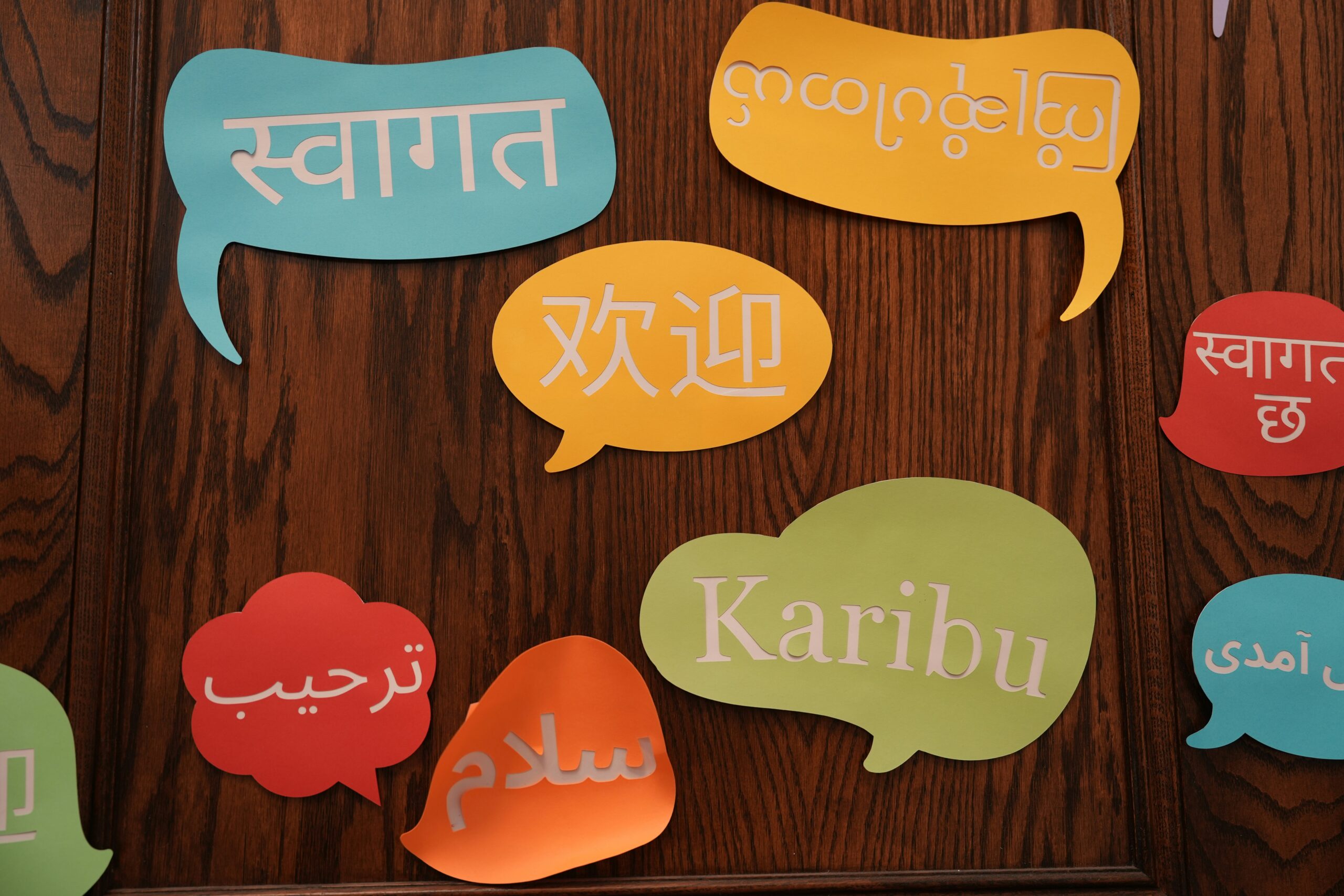
Learning a foreign language no longer implies only having to choose between learning it in class or through textbooks. You can talk to AI tutors, instantly get your grammar corrected, create individual vocabulary tasks, and conduct conversations at nearly any time you want to.
However, is this method more efficient than the traditional one? No, in many cases. AI is perfect for practicing more often, receiving fast feedback and doing exercises individually, whereas classes, books and actual conversations cannot be replaced with anything else that technology currently can offer. The best strategy would be the combination of these two methods.
AI Allows Practicing More Often
Probably the most difficult thing about learning a foreign language is the problem of practicing enough. There could be many obstacles, such as classes, homework, jobs and others, which take up the same free hours.
In the case of university students who have to train their speaking skills or vocabulary along with completing major academic assignments, this problem may become even harder.
If writing assignments begin to dominate your schedule, essayhub.com can provide valuable support with academic writing, giving you more time to focus on learning the language.
AI is particularly suitable for such short-term learning sessions. You may launch the AI program for ten minutes and request it to test you on verbs, generate a dialogue, explain a sentence, or practice certain situations like ordering food in Spanish.
It is a huge convenience at times. But how does it compare to traditional methods of language learning?
AI vs Traditional Language Learning at a Glance
Neither method wins every category. Their strengths are different.
| Area | AI learning | Traditional learning |
| Availability | Available almost anytime | Depends on the class or the teacher’s schedule |
| Feedback speed | Usually immediate | May take longer |
| Personalization | Easy to change level and topic | Depends on the teacher and class size |
| Speaking confidence | Good for low-pressure practice | Better preparation for real people |
| Human interaction | Limited | Strong |
| Cultural context | Can explain it, but may miss nuance | Teachers and native speakers often add richer context |
| Motivation | Requires self-discipline | Classes create structure and accountability |
| Cost | Often low or free | Lessons may cost more |
| Error risk | Can occasionally give incorrect explanations | Qualified teachers can correct misunderstandings |
The table shows why asking which method is simply “better” misses the point. The more useful question is which method is better for the skill you are practicing.
Cases Where AI is More Helpful
Artificial intelligence is particularly effective when repetition is needed.
For instance, if you are learning past tense French verbs, you may request an AI tutor to create ten exercises, grade them, point out your mistakes, and then create another series of exercises based only on your mistakes.
Effective AI language activities include:
- creating vocabulary quizzes according to your proficiency level
- clarifying grammar rules
- suggesting examples
- exercising conversation writing skills
- proofreading a short written piece
- modifying an exercise if it is too easy or difficult
- creating role-playing exercises for traveling, studying, or working
According to research, artificial intelligence has the potential to provide meaningful language learning benefits.
A 2024 meta-analysis of the topic that was published in System involved 40 studies, 3,290 participants in ten countries, and demonstrated the effect of AI on English-language learning outcomes.
It means that not all AI tools and AI classes are created equal, but that AI-assisted learning can be effective.
Where Traditional Language Learning Excels?
Let us now consider the case when you have been practicing Italian using an AI chatbot for three months. The interactions in writing seem natural. However, you enter a crowded cafe in Rome.
The person serving you talks fast. There is noise in the background. Missing even a single word makes you nervous, and you feel that the AI interaction becomes totally different from the actual situation.
Traditional language learning excels at providing you with real human interaction. The teacher would be able to notice your hesitation, misunderstandings, pronunciation difficulties, and gestures.
Your classmates use the language in unpredictable ways that require attentive listening and spontaneous response.
Real-life interaction is disorderly, and AI can’t prepare you for that.
AI Correction Is Quick But Not Always Accurate
Quick corrections seem amazing as you learn because you can write something and get corrections on the spot without having to wait till your next class.
However, you need to be careful about believing that each correction from the AI software is correct. The language has many elements, such as context, regional differences, slang, tone, and various ways to say the same thing.
At times, an AI tool can tell you that something which is correct sounds wrong or explain something about the grammar in a totally confusing manner.
Adam Jason, an expert in the field of technology and learning from EssayPro’s essay writing service, advises that you use the AI correction software as a means of analysis rather than accepting everything blindly. If the explanation looks weird, go through a good dictionary or textbook.
Regular Classes Provide You With One Thing That Artificial Intelligence Doesn’t Have: Pressure
This term is rather negative, but in small amounts, it can even be beneficial. Communication with an artificial intelligence is absolutely secure. You won’t be embarrassed if you make a mistake. You can always start this conversation again.
Communication with a real person is not like that.
You need to comprehend what they said, formulate the answer in your head, recall the necessary vocabulary, pronounce it, and answer fast enough to continue your discussion.
You can’t simply repeat the phrase of your conversation partner. It is the experience that develops your practical skills.
Which Method Is More Beneficial for Beginners?
Both methods can be useful for beginners, but structure is especially important at the beginning of the learning process.
If you use artificial intelligence to communicate, without knowing which information you should focus on, your learning process will be absolutely chaotic.
You can study vocabulary one day, grammar the next day, and then suddenly have a conversation that goes beyond your actual knowledge.
There is a course or textbook structure that provides guidance. This involves starting from basic vocabulary and grammar and progressing to more difficult content.
AI can supplement the structure provided. If your current week’s lesson includes the simple past tense, use AI to generate past-tense exercises instead of requesting something completely unrelated.
The Optimal Approach Involves a Combination
So, what actually works better?
For quick practice and personalized exercises, AI often wins. For genuine communication, accountability, and human understanding, traditional learning remains extremely valuable.
Put them together, and you get something more useful than either method alone: a learning system that gives you plenty of practice while still preparing you to use the language with real people in the real world!
